

1. Introduction: Why You Don’t Need Equipment to Get Fit
Many people believe that getting in shape requires fancy gym machines or heavy weights — but that’s far from the truth. In 2025, home fitness has become smarter, more accessible, and more effective than ever before. You can achieve a strong, toned body using nothing more than your own body weight. Whether you’re a beginner or restarting your fitness journey, full-body workouts without equipment are the perfect way to build strength, flexibility, and endurance — right from your living room.
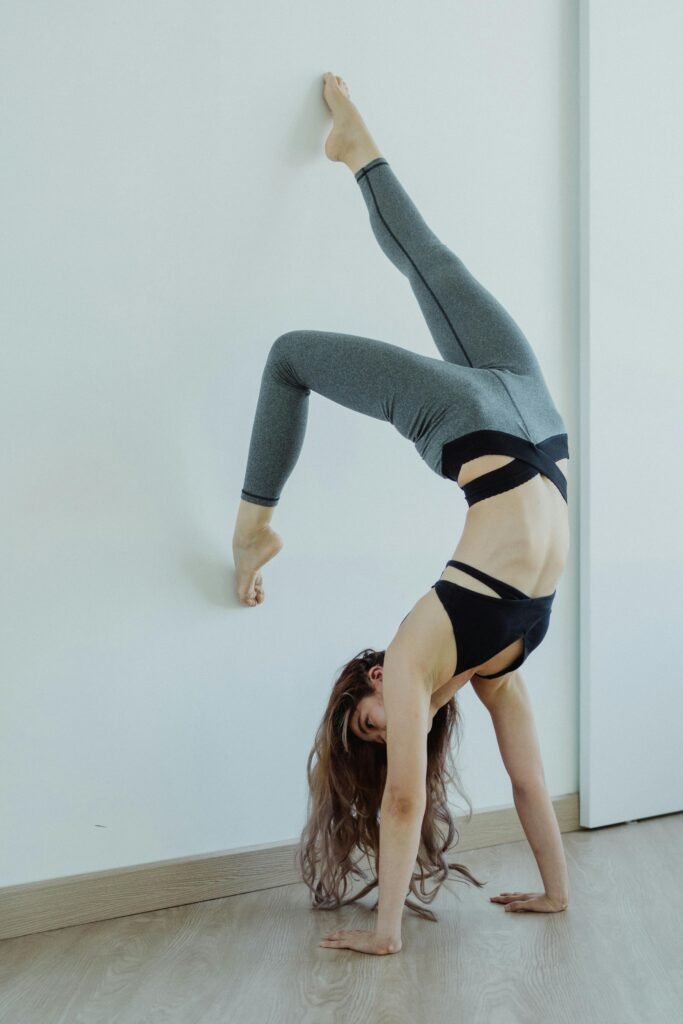
2. Benefits of a Full-Body Workout Routine
Full-body workouts engage all major muscle groups — legs, arms, core, and back — in one session. This approach has multiple advantages:
- Time-efficient: You train everything in a single workout.
- Improves balance and coordination: Multiple muscles work together in compound movements.
- Enhances metabolism: More muscle activation means more calories burned.
- No equipment needed: Perfect for home, travel, or outdoor training.
A balanced bodyweight routine builds functional strength — helping you move better in daily life while keeping your body in great shape.
3. Warm-Up: Prepare Your Body
Before starting your main workout, warming up is essential to prevent injuries and enhance performance. Spend 5–10 minutes on these moves:
- Arm Circles (1 minute) – Loosen shoulders.
- Jumping Jacks (2 minutes) – Raise heart rate.
- Leg Swings (1 minute) – Improve hip mobility.
- Torso Twists (2 minutes) – Activate your core.
- High Knees (2 minutes) – Boost energy and blood flow.
A proper warm-up increases flexibility and primes your muscles for the intense work ahead.
4. The Ultimate Full Body Workout (No Equipment Needed)
This workout targets every muscle group using simple but powerful movements. Perform 3–4 sets of each exercise, resting 30–60 seconds between sets.
- Bodyweight Squats (15 reps) – Strengthen legs, glutes, and core.
- Push-Ups (10–15 reps) – Work chest, shoulders, and arms.
- Plank (30–45 seconds) – Build core stability.
- Lunges (10 reps per leg) – Improve balance and lower-body strength.
- Mountain Climbers (30 seconds) – Great for cardio and abs.
- Glute Bridges (15 reps) – Activate glutes and hamstrings.
- Triceps Dips (on a chair or step, 10–12 reps) – Tone arms and shoulders.
- Burpees (10 reps) – Full-body explosive movement for fat burning.
Modify the intensity according to your level — do fewer reps if you’re new, or add time for extra challenge.
5. Sample Weekly Workout Schedule
To maximize results, consistency is key. Here’s a simple plan to follow:
- Monday: Full-body circuit (main workout)
- Tuesday: Active recovery (light stretching or yoga)
- Wednesday: Core and cardio focus (add planks, mountain climbers)
- Thursday: Rest day
- Friday: Full-body circuit again
- Saturday: Mobility and flexibility work (stretching, yoga, or pilates)
- Sunday: Optional walk or light jog
This balance helps your body recover while keeping your metabolism active all week.
6. Post-Workout Stretching and Recovery
Stretching after your workout improves flexibility, reduces soreness, and enhances muscle recovery. Focus on:
- Hamstring stretch – Reduces leg tension.
- Shoulder stretch – Relieves upper body stiffness.
- Child’s pose – Calms your mind and stretches the spine.
- Cat-Cow stretch – Improves posture and back mobility.
Spend at least 5 minutes cooling down. Proper recovery ensures better results and long-term progress.
7. Nutrition and Hydration Tips
A great workout routine works best with proper nutrition.
- Eat a balanced diet: Include lean protein, complex carbs, and healthy fats.
- Stay hydrated: Drink plenty of water before and after workouts.
- Fuel smart: Have a light snack like a banana or yogurt 30 minutes before exercise.
- Post-workout meal: Eat protein and carbs within an hour to support muscle recovery.
In 2025, many fitness apps can help track your calories, macros, and hydration — making it easier to stay consistent.
8. Conclusion: Stay Consistent and Believe in the Process
You don’t need expensive gym memberships or heavy equipment to get in shape — all you need is determination and consistency. Bodyweight training is powerful, versatile, and suitable for everyone. Start small, listen to your body, and track your progress weekly.
In just a few weeks of consistent effort, you’ll notice increased strength, better posture, and more energy. Remember, every push-up, squat, or plank brings you closer to your goals. Your body is the best tool you’ll ever own — use it wisely and stay committed to a healthier, stronger you.
Final Motivation:
💥 “The hardest part is starting — the rest is just progress.”
Start today, move with purpose, and let your home become your personal fitness studio.